There are four routes, not two
“AI versus photographer” creates a dramatic argument and a useless production plan. A real business usually has four options, each suited to a different job.
| Route | What stays real | Best for | Main risk |
|---|---|---|---|
| Real photography | Subject, scene, light, and camera capture | Evidence images, people, fit, texture, regulated details | Cost, scheduling, reshoots, limited variants |
| AI generation | Nothing necessarily | Concepts, editorial worlds, posters, generic mood imagery | Invented product details and visual drift |
| AI-assisted enhancement | The original subject and composition | Cleanup, exposure, framing, background extension, restrained polish | “Improving” texture or quantity until the product is no longer true |
| Hybrid composite | A real product or person | Campaign scenes, seasonal variants, scalable catalog worlds | Bad edges, mismatched perspective, light, or reflections |
The core rule
Pay for evidence. Generate atmosphere. Evidence answers “what exactly am I buying?” Atmosphere answers “how should this feel?” One image may contain both, but the production method should protect the evidence layer first.
The evidence-versus-atmosphere matrix
Score the image on two dimensions: how exact the subject must be, and how freely the surrounding scene can change. That gives you a useful default without pretending every SKU, campaign, and category has the same risk.
| Subject must be exact? | Scene can change? | Default route | Examples |
|---|---|---|---|
| High | Low | Real photography | Apparel fit, jewelry detail, furniture finish, actual dish, technical product |
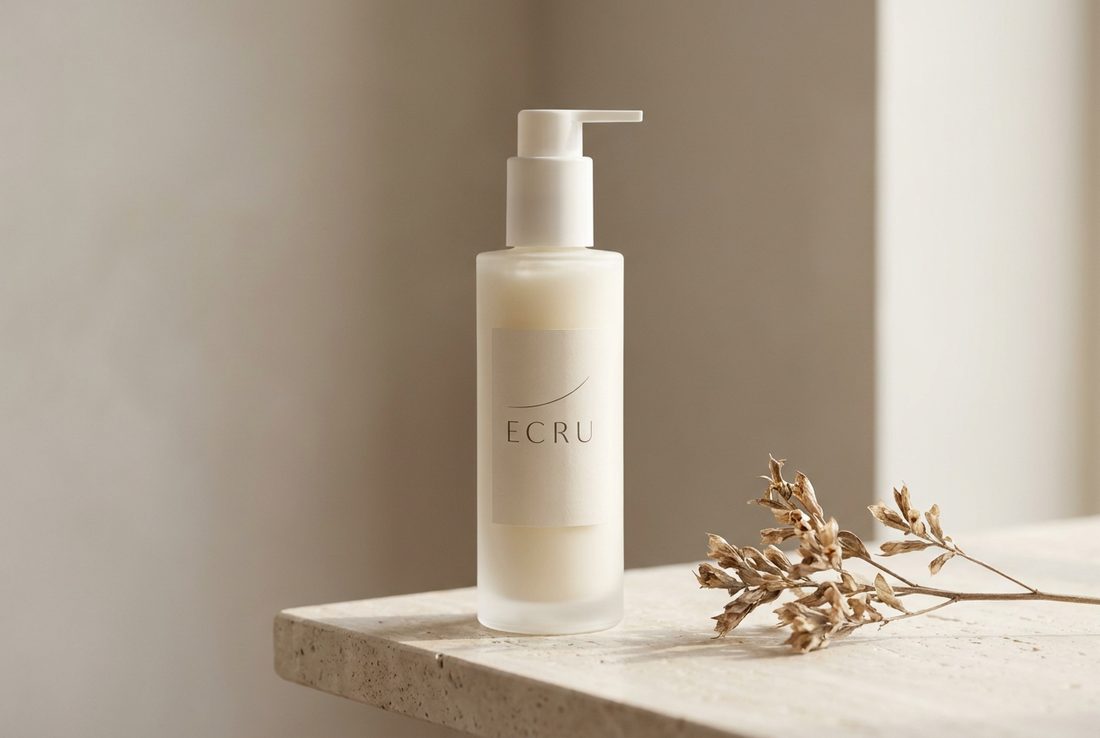
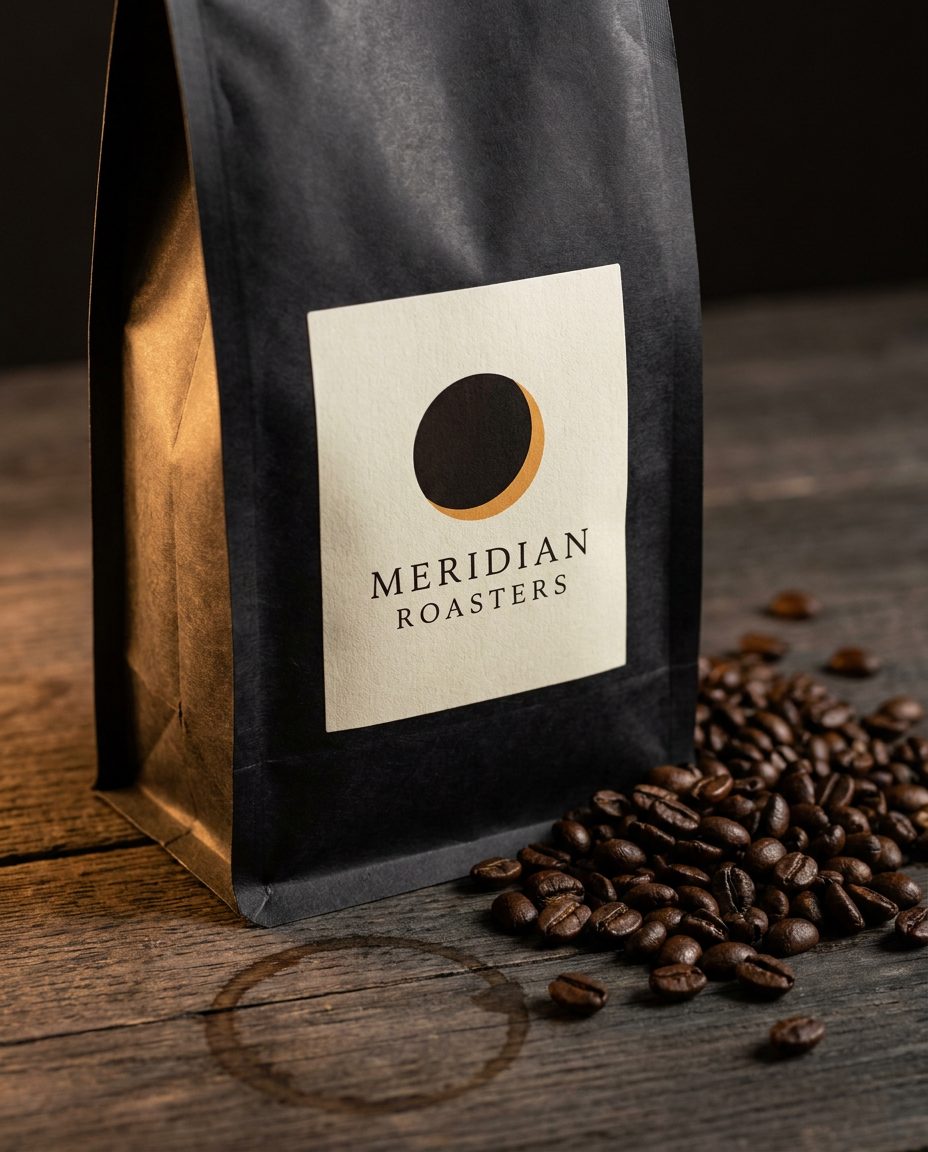
| High | High | Hybrid composite | Real package in a seasonal scene, real product in a lifestyle environment |
| Low | Low | Real or controlled generation | Simple abstract background, non-specific editorial texture |
| Low | High | AI generation | Campaign concepts, mood images, poster substrates, visual metaphors |
A fifth variable can override the matrix: consequence. Even a small visual in a high-risk category should stay conservative when a mistake could create a return, complaint, compliance problem, or false claim.
When real photography wins
Real photography is not automatically superior. It is superior when the camera is documenting reality and the details matter.
- Exact color or finish: paint, fabric, wood grain, stone, cosmetics, and any category where variation affects purchase confidence.
- Fit, scale, or dimensions: apparel, accessories, furniture, equipment, and products whose size is difficult to infer.
- Labels and regulated representation: ingredient panels, dosage, certifications, warnings, packaging claims, and legally meaningful text.
- Actual people and places: founders, staff, customers, facilities, interiors, storefronts, and proof of service delivery.
- Food sold as pictured: when the image sets an expectation for quantity, ingredients, preparation, or plating.
- High-budget hero assets: when one image carries significant media spend or becomes the defining campaign visual.
A poor real photograph can still underperform. “Real” protects truth, not taste. Art direction, light, styling, framing, and post-production still determine whether the truth looks worth buying.
When AI wins
AI earns its place when the image's value comes from variation, art direction, or speed rather than forensic proof.
- Background and surface exploration: test materials, palettes, settings, and lighting worlds before committing to a shoot.
- Seasonal and geographic variants: adapt a stable product into different campaign worlds without rebuilding an entire set.
- Concept and mood imagery: homepage atmosphere, editorial storytelling, visual metaphors, and early campaign exploration.
- Posters and social substrates: generate the image layer, then typeset exact prices, dates, and calls to action afterward.
- Pre-production: create shot references, lighting maps, prop lists, crop plans, and storyboards for a real photographer.
- Low-consequence content: recurring social visuals whose job is attention and recognition rather than product inspection.
AI is not a warranty against production work
You still need selection, correction, consistency checks, truthful claims, output sizing, and exact typography. Generation removes some capture costs. It does not repeal quality control, though software marketing remains bravely committed to that fantasy.
The hybrid workflow for small businesses
The hybrid route gives a business a reusable truth layer and a scalable atmosphere layer.
Step 1: capture the truth asset
Photograph the product against a simple background with accurate color, sufficient depth of field, clean edges, and enough resolution for the intended outputs. Protect the silhouette, proportions, labels, texture, and distinguishing details.
Step 2: write a product DNA record
Document what cannot drift: dimensions, material, finish, mark placement, color behavior under light, packaging structure, and any flaws or handmade variation that should remain visible.
Step 3: design the scene independently
Generate or art-direct the environment without asking the model to reinvent the product. Lock camera angle, perspective, light direction, surface, palette, and negative space before compositing.
Step 4: match the physics
The product and generated scene must agree on camera height, focal behavior, shadow direction, softness, color temperature, contact point, reflections, and scale. A perfect cutout in the wrong light still looks pasted on.
Step 5: run a truth audit
Compare the final image with the real product. Check shape, color, texture, labels, quantities, included accessories, and implied claims. Remove any “improvement” the customer will not receive.
Step 6: lock the winning world
Save the camera, light, palette, scene rules, composition zones, and approved examples. Then generate controlled variations instead of beginning every image with another inspirational séance.
A practical shot-list brief
Separate your asset inventory into three buckets before pricing a shoot or opening an image model.
| Bucket | Typical assets | Production default |
|---|---|---|
| Evidence | White-background hero, angles, detail, scale, fit, label, contents | Real photography |
| Hybrid | Lifestyle scenes, seasonal campaigns, contextual product stories | Real truth asset plus generated or designed environment |
| Atmosphere | Homepage mood, posters, editorial concepts, social hooks | AI generation with brand and claim controls |
This split also makes cost comparisons honest. A photographer should not be judged against AI on evidence work, and AI should not be judged against a studio on the number of safe campaign variations it can produce from one approved world.
Common questions
Can AI replace product photographers?
AI can replace some concepting, background creation, seasonal variants, and low-consequence content. It should not replace real evidence when buyers need to inspect the exact product, fit, material, label, person, or place.
Are AI product photos safe for e-commerce?
They are safest when the product itself remains a real, accurate asset and AI changes only the environment. Fully generated images carry more risk when product details influence the purchase or return decision.
Is AI product photography cheaper?
It can reduce studio, prop, travel, and reshoot costs for suitable assets. The real comparison should include art direction, source photography, compositing, correction, and quality control rather than treating generation as a finished deliverable.
Should a small business hire a photographer or buy an AI tool?
Fund the minimum evidence library first, then use a visual system to extend it. Read the product photography cost guide for budgeting, or take the visual audit to identify your highest-risk bottleneck.