The root problem is world coherence
An image can contain individually attractive objects and still feel false. Human vision checks whether those objects belong to the same world: whether the shadows agree with the light, whether the lens could produce that focus falloff, whether the material reflects as that material should, and whether the camera could occupy the implied position.
Image models are excellent at producing a visual average of “premium product photo.” The average often includes a glowing edge, shallow focus, immaculate surfaces, vague luxury props, and light from several directions at once. It looks expensive for half a second. Then the scene fails inspection.
The useful rule
Build the world before decorating it. Camera, light, material, environment, and subject truth come first. Style is the consequence of those choices, not a glitter layer added afterward.

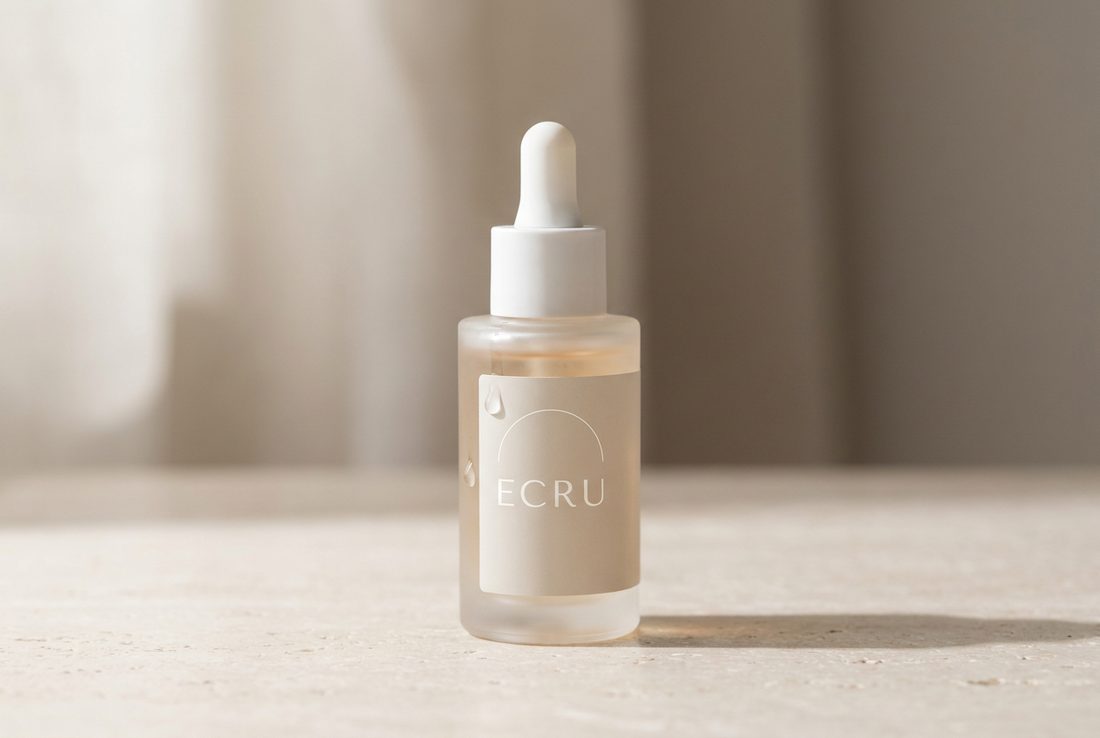
The ten tells that expose an AI image
| Tell | What is broken | What to change |
|---|---|---|
| Light from everywhere | Every edge glows, yet no source explains the shadows. | Name one key light, its direction, size, height, and color temperature. Let the opposite side fall naturally. |
| One universal plastic sheen | Skin, ceramic, bread, wood, and fabric all share the same smooth highlight. | Describe each important material by how it absorbs, scatters, or reflects light. Ban generic gloss. |
| Impossible depth of field | Objects on the same plane blur at different rates, or the entire product is soft except one arbitrary detail. | Choose a plausible focal length and aperture for the shot's job. Product heroes usually need more depth than portraits. |
| Geometry drift | Labels bend, handles merge, shelves change angle, and repeated objects mutate. | Reduce scene complexity, use a stronger reference, and protect silhouette, proportions, and recurring marks. |
| Decorative perfection | No crumbs, dust, compression, wear, asymmetry, or evidence of a real process exists. | Add one or two plausible imperfections tied to the subject. Do not spray “wabi-sabi” over everything like seasoning. |
| Luxury prop soup | Marble, gold, smoke, flowers, water, silk, and dramatic shadows compete for attention. | Give the frame one visual argument. Props must explain the product, not audition for their own campaign. |
| Fake micro-detail | The image looks sharp until zoomed, then texture turns into invented symbols and mush. | Keep critical labels, ingredients, mechanisms, and surface details real. Use generation around them, not through them. |
| Camera with no body | The viewpoint floats where a lens could not reasonably sit, especially in interiors and flat lays. | State camera height, angle, distance, and orientation. Make the camera occupy physical space. |
| Generic brand mood | The image could advertise any café, skincare line, gym, or startup. | Use real taste anchors, customer context, materials, rituals, and a concept a competitor cannot steal unchanged. |
| Text pretending to be done | Prices, labels, and contact details are nearly right, which is another way of saying wrong. | Generate the substrate and reserve clean space. Typeset exact copy afterward when mistakes carry consequences. |
A correction workflow that does not make the image worse
The common failure pattern is to patch a bad result with five more instructions. The model preserves the broken world and adds new obligations. The next image becomes busier, shinier, and less coherent. Humanity responds by adding “ultra realistic,” as if the pixels were merely unmotivated.
1. Protect the subject truth
List what cannot change: silhouette, proportions, mark placement, packaging structure, dominant color, material, and any details a buyer will inspect. If those facts are not negotiable, use a real source photo or composite.
2. Lock the camera
Choose shot type, camera height, angle, focal length range, aperture behavior, and focus target. A believable camera removes many errors before style enters the conversation.
3. Motivate the light
State where the key light exists in the scene and what it does. Window light from camera left, a hard afternoon sun behind the subject, or a large softbox above and forward are physical instructions. “Cinematic lighting” is an emotional plea.
4. Give materials separate behavior
Matte paper should not reflect like lacquer. Bread needs irregular pores and dry-to-moist contrast. Brushed metal needs directional highlights. Skin needs variation without beauty-filter wax. Describe the money-zone material first.
5. Add controlled imperfection
Choose an imperfection caused by the scene: a faint ring on the table, one displaced crumb, slight label wear, subtle lens grain, an uneven fold, a fingerprint on glossy packaging. Random damage is not realism. Causality is realism.
6. Correct one issue per pass
Identify the single failure most responsible for the fake look. Rewrite the generation around that issue. After several failed passes, change the route: use a real photo, simplify the composition, switch models, or build a composite. Persistence is admirable in people and expensive in broken workflows.
Do not “enhance” truth into fiction
When editing a real product or dish, preserve its actual texture, structure, quantity, color, and imperfections. Enhancement should improve exposure, framing, cleanup, and environment. It should not invent a better product than the customer receives.
A prompt structure that survives beyond one image
A reusable prompt is ordered by dependency. The later choices should follow from the earlier ones.
SUBJECT TRUTH
Exact subject, protected identity, proportions, material, marks, non-negotiable details.

SHOT JOB
Where the image will appear and what the viewer must notice first.

CAMERA
Viewpoint, height, angle, focal behavior, aperture, focus target, crop.

LIGHT
One motivated key source, direction, hardness, color, shadow behavior, controlled fill.

MATERIAL RESPONSE
How each important surface reflects, absorbs, scatters, folds, or shows texture.

ENVIRONMENT
Only the objects and surfaces needed to explain the brand or use case.

CONTROLLED IMPERFECTION
One or two plausible signs of process, handling, atmosphere, or camera capture.

NEGATIVES
No universal gloss, no impossible rim light, no warped geometry, no invented labels, no excessive blur, no generic luxury props.
The sequence matters. If the subject is vague, the model invents it. If the camera is vague, composition floats. If the light is vague, every edge glows. If the concept is vague, the frame borrows the same props as every other “premium” prompt.
When you should not generate the image
Use a real photograph when the image functions as evidence. That includes exact fit, exact color, regulated labels, staff and customers, mechanical details, material quality, and any visual claim that could influence a return or complaint.
AI is strongest when the environment can change safely: concept work, mood imagery, campaign worlds, backgrounds, seasonal variants, poster substrates, and early art direction. The practical split is simple: pay for evidence; generate atmosphere.
Brain empty?
Take the free visual audit. It identifies whether your real problem is fidelity, AI slop, brand drift, missing foundations, or content volume, then gives you the first three moves.
Common questions
Does adding film grain make an AI image look real?
Grain can help a coherent image feel captured, but it cannot rescue impossible shadows, broken geometry, or plastic materials. Apply camera texture last, after the physical world works.
Which words make AI images more realistic?
Specific physical instructions outperform prestige words. Name the light source, lens behavior, material response, camera position, and plausible imperfection. “Award-winning, cinematic, hyperreal” mainly requests the model's average idea of impressive.
Can ChatGPT or Gemini keep a brand consistent?
They can when you reuse a compact brand profile containing visual constants, protected truths, reference principles, and proven master prompts. Starting from a fresh description each time produces drift.
Should AI-generated product images be disclosed?
Disclosure rules vary by platform and jurisdiction, but the more important operational rule is not to misrepresent the product. Preserve exact evidence in real imagery and use generation where it changes atmosphere rather than facts.